All Courses
Stem Cell Therapy for Clinicians
Educational course on stem cell biology, sources, MUSE cells, the federal framework, processing and quality, Florida compliance and evidence. Educational only; not medical or legal advice.
Table of contents
Course content
Module 1: Stem cell biology
- 1.1 What makes a cell a stem cell
- 1.2 The main cell types you will hear about
- 1.3 How cell therapies are thought to work, and the risks
- Module 1 Quiz
Module 2: Cell sources and harvesting
- 2.1 Autologous sources: bone marrow and fat
- 2.2 Allogeneic and perinatal sources
- 2.3 What Florida and the FDA say about sources
- Module 2 Quiz
Module 3: MUSE cells
- 3.1 What MUSE cells are
- 3.2 How MUSE cells are isolated
- 3.3 Clinical trials and regulatory status
- Module 3 Quiz
Module 4: Federal regulatory framework
- 4.1 HCT/Ps and the 361 vs. 351 split
- 4.2 Applying the criteria
- 4.3 What is approved, and how the FDA enforces
- Module 4 Quiz
Module 5: Processing and quality standards
- 5.1 Current good tissue practice (CGTP)
- 5.2 Reading the paperwork: CoA and viability report
- 5.3 Culture limits: doublings, passages and media
- 5.4 Receipt, storage, thaw and accreditation
- Module 5 Quiz
Module 6: Florida 458.3245 / 459.0127 compliance
- 6.1 What the law allows
- 6.2 Product and supplier requirements
- 6.3 Consent, advertising, exemptions and penalties
- Module 6 Quiz
Module 7: Clinical application within Florida's scope
- 7.1 What the evidence shows
- 7.2 Patient selection and the procedure
- 7.3 Outcomes, follow-up and adverse events
- Module 7 Quiz
Module 8: Evaluating evidence and claims
- 8.1 Reading a cell therapy study
- 8.2 Red flags in marketing
- 8.3 ISSCR standards and patient conversations
- Module 8 Quiz
Final exam and handouts
Exosomes
Exosomes are a major field of research in regenerative medicine, with substantial therapeutic potential mediated through intercellular communication. These small-scale extracellular vesicles, secreted by stem cells and other cell types, act as messengers by transferring proteins, lipids, and RNA to neighboring cells. Their capacity to influence cellular behavior without the complications associated with whole-cell therapy has contributed to their growing use in treating inflammatory diseases, musculoskeletal conditions, and aesthetic concerns.
Table of contents
Course content
- Exosomes — Aesthetic & Regenerative Applications
- 01. Exosomes in Aesthetic and Regenerative Medicine
- 02. Aesthetic Applications
- 03. Regenerative Applications
- 04. Clinical Protocol Overview
- 05. Real-World Outcomes
- Exosomes for Aesthetics
- 06. Exosomes in Aesthetic Practice
- 07. Core Aesthetic Indications
- 08. Procedure Integration
- 09. Patient Timeline and Expectations
- 10. The Ascellos® Advantage
- 11. Frequently Asked Questions
- Stem Cells vs. Exosomes — Key Comparisons
- 12. Understanding the Relationship Between Stem Cells and Exosomes
Helpful Resources
- 13. What Are Stem Cells?
- 14. What Are Exosomes?
- 15. Side-by-Side Comparison
- 16. Complementary, Not Competing
- 17. Clinical Implications for Practitioners
- 18. Disclaimer
General
- Exosomes Explained
- Biological Composition and Mechanism of Action
- Why Wharton’s Jelly-Derived Exosomes Are Different
- What to Look for in Competitive Products
- Science of Exosomes
- Exosomes Benefits
- Competitor Comparison
- Exosomes Protocols
- How Exosomes Can Help with Pain, Wound Healing, and Orthopedic Indications
- Case Study 1
- Case Study 2
- Case Study 3
- Helpful Resources & Latest Research
This module provides a basic understanding of exosome biology, mechanisms of action, therapeutic applications, and the regulatory landscape. Learners will explore both the clinical and commercial dimensions of exosome therapy, enabling them to incorporate or advocate for its use in practice.
Intended audience
This course is for licensed clinicians new to regenerative medicine, including physicians, physician assistants, nurse practitioners, nurses, and paramedics. Students and interested members of the public are also welcome. No prior treatment experience is required. Learners without clinical training should plan to complete additional anatomy reading.
Learning outcomes
- Understand the biological role and function of exosomes in cellular regeneration.
- Identify clinical indications where exosome therapy is showing promising results.
- Discuss sourcing, preparation, and safety procedures relevant to exosome products.
- Examine current evidence, ethical considerations, and regulatory guidelines.
- Effectively communicate the science and benefits of exosomes to patients and clients.
Contents of each module
- Learning objectives
- A written lesson
- Assigned free resources from external sources, linked rather than copied
- A quiz
Scope and safety
Completing this course develops basic knowledge. It does not establish competency or confer credentials or privileges. Learners should check the regulatory status of any exosome product before using it.
Extracorporeal Shockwave Therapy (ESWT) Education Course
A free, self-paced online course designed to guide healthcare professionals through the physics, biology, clinical evidence, safe technique, and U.S. regulatory landscape of focused shockwave and radial pressure wave therapy. The course has 12 modules, totaling about 17 to 18 hours. It follows the indications and contraindications in the ISMST Consensus Statement and the recommendations of the 2025 international Delphi study published in the British Journal of Sports Medicine.
Table of contents
Course content
Module 1: History and foundations
- Module 1 objectives
- 1.1 The origins of shockwave medicine
- 1.2 Key terms and why terminology matters
- 1.3 Readings and activity
- Module 1 quiz
Module 2: Physics of shockwaves
- Module 2 objectives
- 2.1 The pressure profile of a shockwave
- 2.2 Generators, focal zone and dose
- 2.3 Shockwaves compared with ultrasound
- Module 2 quiz
Module 3: Biological mechanisms
- Module 3 objectives
- 3.1 Proposed mechanisms and the evidence behind them
- 3.2 Analgesic and calcific effects in practice
- 3.3 Readings and activity
- Module 3 quiz
Module 4: Devices, parameters and dosing
- Module 4 objectives
- 4.1 Treatment parameters
- 4.2 Anesthesia and why it matters
- 4.3 Reading a manufacturer's specification sheet
- 4.4 Parameter record activity and knowledge check
- Module 4 quiz
Module 5: Indications and the evidence base
- Module 5 objectives
- 5.1 The ISMST tiers and where ESWT sits after conservative care
- 5.2 Evidence by condition: the evidence map
- 5.3 Where expert bodies disagree
- Module 5 quiz
Module 6: Contraindications, safety and consent
- Module 6 objectives
- 6.1 Contraindications checklist
- 6.2 Side effects and realistic expectations
- 6.3 Informed consent and documentation
- Module 6 quiz
Module 7: Treatment technique and workflow
- Module 7 objectives
- 7.1 Locating the target: clinical focusing and imaging
- 7.2 The session workflow, step by step
- 7.3 Integrating ESWT with rehabilitation and outcomes
- Module 7 quiz
Module 8: Condition-specific application
- Module 8 objectives
- 8.1 Foot and ankle
- 8.2 Knee, hip and lower leg
- 8.3 Shoulder and elbow
- 8.4 Bone and wounds
- 8.5 Case studies
- Module 8 quiz
Module 9: U.S. regulation, coding and payers
- Module 9 objectives
- 9.1 FDA history, labeling and product codes
- 9.2 Off-label use and marketing claims
- 9.3 CPT codes and payer coverage
- Module 9 quiz
Module 10: Reading the evidence critically
- Module 10 objectives
- 10.1 Sources of heterogeneity
- 10.2 Appraising a single trial
- 10.3 Journal club activity
- Module 10 quiz
Module 11: Emerging and investigational uses (optional)
- Module 11 objectives
- 11.1 Neurological and supportive care uses
- 11.2 Erectile dysfunction and cosmetic claims
- 11.3 Ethics of offering an investigational treatment
- Module 11 quiz
Module 12: Capstone and assessment
Final exam and resources
Intended audience
Licensed clinicians who use or are considering shockwave or radial pressure wave devices, including physicians, physical therapists, podiatrists, chiropractors, athletic trainers, nurse practitioners, and physician assistants. No prior shockwave experience is required. Learners should have a working knowledge of musculoskeletal anatomy and tissue healing; those who need a refresher should plan to complete additional anatomy reading.
What each module includes
- Learning objectives
- Assigned free readings, marked core or extension, from external sources, linked rather than copied
- An applied activity, such as a parameter record, consent form, evidence map, or case study
- Knowledge-check questions with answers learners can reveal
- Brand-neutral content that applies to any device type
Scope and safety
Completing this course develops foundational knowledge of shockwave therapy. It does not establish competency or confer credentials, privileges, or continuing education credit, and it is not a substitute for the manufacturer's device training or supervised hands-on practice. Shockwave therapy may be performed only by licensed health professionals acting within the scope of practice set by their licensing board and in line with the device's labeling. Many uses of shockwave therapy are outside a device's FDA-labeled indication or are investigational, and patients must be told so before treatment.
Certificate
A certificate of completion is awarded upon passing the final examination with a score of at least 80 percent (24 of 30 questions) and submitting the Module 12 case write-up and reflection. The certificate confirms completion of the online curriculum; it is not a credential, competency assessment, continuing education credit, or license.

Handheld Ultrasound Education Course
A free, self-paced online course that takes a healthcare professional from first scan to core point-of-care applications on a handheld ultrasound device. It has 12 modules (about 15 to 17 hours in total) and follows the application list in the ACEP emergency ultrasound guidelines and the structure suggested by the IFEM POCUS Curriculum Guidelines.
Table of contents
Start here: scope, safety and how to use this course
Resource index and reuse rules
Module 1: Foundations, physics, knobology and safe scanning
Module 2: Lung and pleura
Module 3: Focused cardiac ultrasound and IVC
Module 4: eFAST and free fluid
Module 5: Kidneys and bladder
Module 6: Abdominal aorta
Module 7: Gallbladder and biliary
Module 8: Lower-extremity DVT (2-point compression)
Module 9: Soft tissue and musculoskeletal
Module 10: Ultrasound-guided vascular access
Module 11: Ocular and optic nerve (optional)
Module 12: Putting it together
Who it is for
Licensed clinicians new to ultrasound, including physicians, physician assistants, nurse practitioners, nurses and paramedics. Students and interested members of the public are welcome too. No prior scanning experience is needed. Learners without clinical training should expect extra anatomy reading.
What each module includes
- Learning objectives
- A written lesson, brand-neutral
- Assigned free resources from outside sources, linked and never copied
- A quiz
- A hands-on practice task
Scope and safety
Completing this course builds knowledge and early skill. It does not confer competency, credentialing or privileges, which require supervised scans and local sign-off. Only licensed health professionals may use ultrasound to diagnose or guide care. Other learners should not scan themselves or others for diagnosis.
Certificate
Completing the course with a passing score on the final exam, and uploading one saved clip from each core module, earns a certificate of completion. The certificate records that you completed the online curriculum. It is not a credential, a competency assessment or a license.

Microneedling Education Course
A free, self-paced online course on skin science, FDA regulation, scope of practice, patient selection, infection control, technique, combination therapies, aftercare and complications of microneedling. It has nine modules and takes about 9 to 10 hours.
Table of contents
Course content
Module 1: Skin anatomy and collagen induction
Module 2: Devices and FDA regulation
Module 3: Scope of practice and roles
Module 4: Patient selection, consultation and consent
Module 5: Infection control and room setup
Module 6: Procedure technique
- 6. Procedure technique (90 minutes; observe-only for support staff; superficial for estheticians)
- Module 6 Quiz
Module 7: Combination therapies
Module 8: Aftercare, complications and documentation
Module 9: Capstone and final exam
Final exam and resources
Choose your track
- Clinicians (MD/DO, NP, PA, RN): full course.
- Clinical support staff: setup, infection control and aftercare. Observe procedures only.
- Estheticians: superficial depths and scope of practice. Medical depths are outside the esthetician track.
Each module notes which track it applies to.
Modules
| Module | Length | Tracks |
|---|---|---|
| 1. Skin anatomy and collagen induction | 60 min | All |
| 2. Devices and FDA regulation | 75 min | All |
| 3. Scope of practice and roles | 60 min | All; esthetician extension |
| 4. Patient selection, consultation and consent | 60 min | All |
| 5. Infection control and room setup | 45 min | All |
| 6. Procedure technique | 90 min | Observe only for support staff; superficial for estheticians |
| 7. Combination therapies | 60 min | Overview for support staff and estheticians |
| 8. Aftercare, complications and documentation | 60 min | All |
| 9. Capstone and final exam | 45 min | Track-specific cases; final exam |
Assessment and certificate
- Pass each module quiz with 80% to unlock the final exam.
- The final exam has 25 questions drawn from Modules 1 to 8. Pass with 80% to receive a certificate of completion.
- The certificate documents course completion only. It is not a license or a clinical competence certificate. No CME credit is offered.
Before you start
This course is educational only. It is not legal or medical advice. Who may perform microneedling is set by state law; confirm your scope with your state board and a healthcare attorney. Always follow your device's instructions for use. Hands-on practice under supervision is required before performing any part of the procedure, and completing the course does not certify hands-on skill or authorize anyone to perform a procedure.
Microneedling devices for aesthetic use are Class II devices under 21 CFR 878.4430 (verify in the FDA database). The FDA Safety Communication of October 15, 2025 reports burns, scarring, fat loss, disfigurement and nerve damage with radiofrequency microneedling; Module 2 covers these risks.
Sponsor disclosure
This course is provided free by Zizion® Group, LLC, which distributes the NanoPen® Pro. The course does not feature a specific device; device information is limited to FDA regulatory status and how to check it.
Sources
Sources are listed in the final lesson of the course.

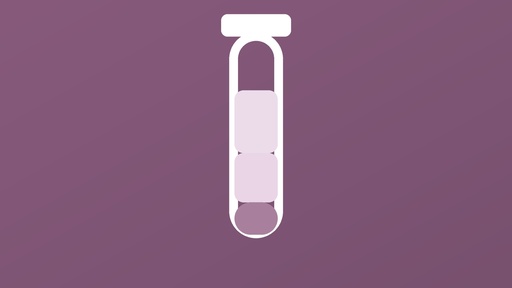
Platelet-Rich Plasma (PRP) Education Course
A free, self-paced course for clinicians on platelet-rich plasma: biology, types and preparation, evidence by indication, regulation and scope, patient selection and consent, administration and aftercare, and documentation. Educational only; not medical advice. PRP is not FDA approved to treat any condition.
Table of contents
Module 1: Platelet biology
- 1.1 What platelets are
- 1.2 Growth factors in PRP
- 1.3 The phases of healing and PRP's role
- Module 1 quiz
Module 2: PRP types and classification
Module 3: Evidence by indication
Module 4: Regulation and scope
Module 5: Aseptic technique and phlebotomy
Module 6: Patient selection and consent
Module 7: Administration and aftercare
Module 8: Documentation and quality